
What is actually inside a box sash
A vertical slider is a machine as much as it is a window. Two sashes run in a hollow boxed frame, each hung on cords passing over brass pulleys to weights concealed in the boxes, with a parting bead keeping the two apart and a staff bead holding the inner one in. Nine times out of ten the reason a sash will not lift is a snapped cord or a seized pulley rather than rotten timber, and that is a repair, not a replacement. When new sashes are genuinely needed we make the lot: box, linings, pockets, beads, pulleys, cords and weights, with horns on the upper sash where the originals had them and square meeting rails where they did not.
Draught-proofing, and where slim double glazing will and will not go
Most of the cold coming off a sash window arrives past the sashes rather than through the glass. Routing a groove into the parting bead and the staff bead and setting a brush pile seal into it, with a further seal at the meeting rail, stops the rattle and most of the draught while leaving the window looking untouched and still sliding as it should.
Slim double glazing needs a more honest conversation. A slim sealed unit weighs considerably more than single glass, so the counterbalance has to be recalculated and the weights changed, otherwise the sash will not stay where you leave it. It goes in comfortably when we are making new sashes and can size the rebate and the section around it. In a thin original sash with fine glazing bars it often cannot be done without fattening the bars until the elevation looks wrong, and we would far rather tell you that at survey than after you have ordered.
Rows built to one pattern, openings that no longer match
Sutton's colliery terraces went up in long repeating runs while the pits were working, and Sutton Colliery at Stanton Hill kept going until 1989. Every opening in a row like that started the same size, but after a century and a half of settlement hardly any of them are square. We measure each opening on the job instead of taking one and multiplying it, check the diagonals before anything is cut, and scribe the frame to the brickwork so you are not left with a tapering gap packed out with mastic.
The Manor House, one of the older stone survivals in the parish, is listed with casements under hood moulds. Where a stone hood mould sits over the head like that, the frame has to be set back and weathered underneath it properly, because water running off the stone needs throwing clear instead of being led straight into the joint.
External doors that stay shut in a wind
Front and back doors are built here on through mortice and tenon joints, wedged and pinned, with laminated stiles and rails so the leaf stays flat rather than winding over its first winter. The bottom rail gets a weather bar and a drip, and the threshold a water bar, which is what stops rain tracking underneath. Hinges are sized to the real weight of the leaf, three a side on anything heavy, and locks, letterplates and knockers are cut in before the finish goes on rather than drilled through a painted door later. Where a house still has good original ironmongery we work to it. For exposed elevations we hold an Accoya manufacturing licence, modified timber with a fifty-year warranty above ground.
Consent, once and clearly
The Church and Market Place conservation area was only designated in 2015, so plenty of owners inside the boundary have never been told they are in one. Ashfield District Council also publishes an Article 4 direction at Dalestorth Close, and since we have not read its schedule we will not tell you what it does or does not cover. Thirteen listed buildings in the parish, and the different rules for flats, mean the position genuinely does change from one street to the next. Ashfield's conservation officer can confirm where your own property stands, and you want that confirmation in writing before any timber is machined.
Three miles down the A38
We work from 43 Bleak Hill Way, Mansfield NG18 5EZ, roughly three miles east of the town on the A38, which makes surveying, templating and fitting short journeys rather than whole days out. Terence "Tez" Cudworth founded the business in 2004 and holds City & Guilds qualifications. Every frame, sash and door leaves this workshop having been made in it. Tina handles the customer side, the written quote carries the full specification, photographs of your job go out over WhatsApp as it moves along the bench, and the same joiners come out to fit it.
Wooden windows and wooden doors have pages of their own, and everything else sits under bespoke joinery. Call 01623 530838.
Work from our benches
-
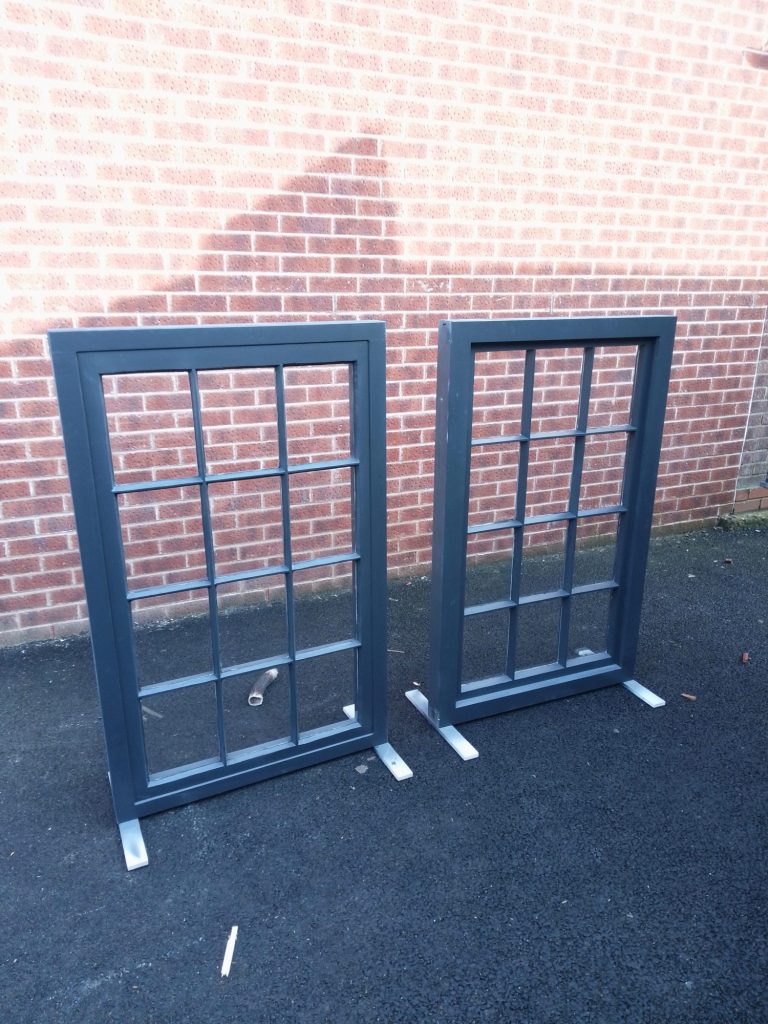
Two navy painted timber window frames with glazing bars, glazed and ready to fit -
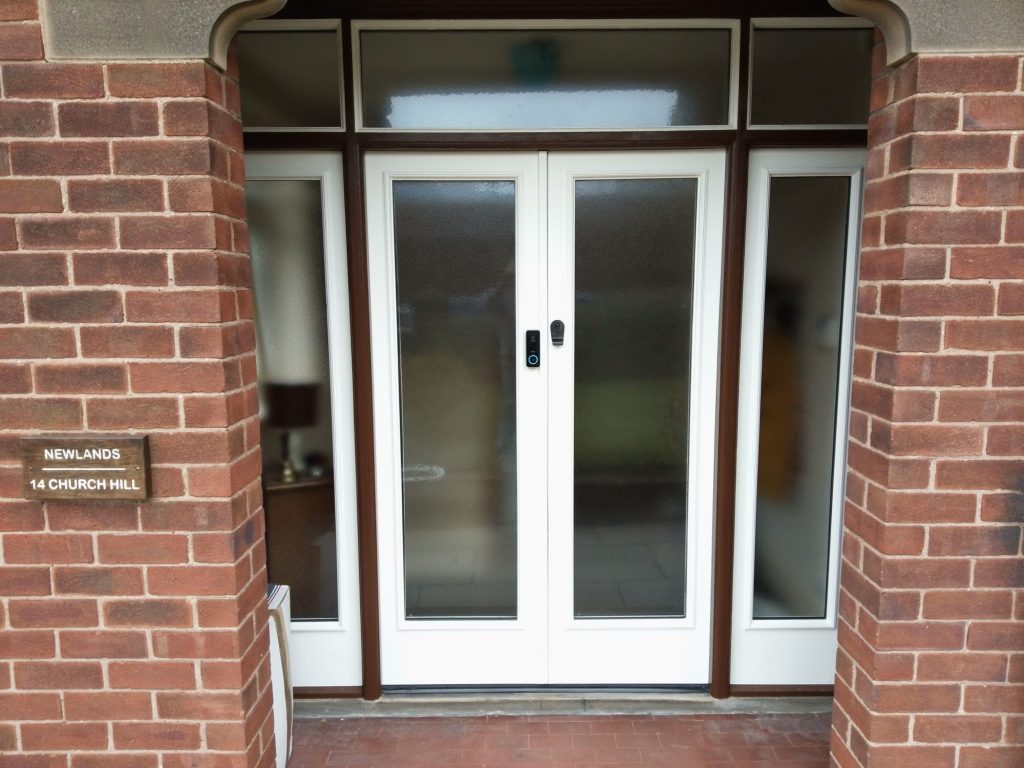
White painted timber French entrance doors with glazed sidelights and transom, fitted in a brick porch -
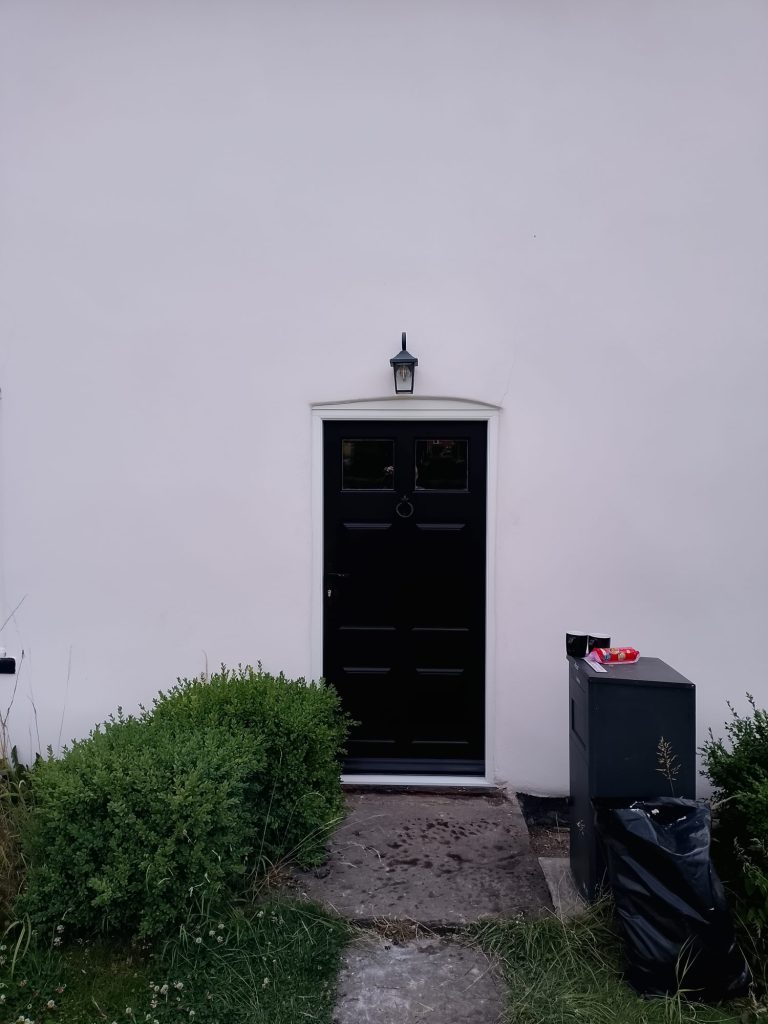
Black panelled timber front door installed on a white rendered house
What we make
Nearby
We cover the whole of this part of Nottinghamshire and north Derbyshire. If you are closer to one of these, the same team does the work.
Get a quote
Ring 01623 530838 and tell us what you need, or send over rough sizes and a photo of the opening. We will tell you honestly whether we are the right people for the job.