
Getting the glazing bar right before anything else
On a Georgian frontage the eye reads the glazing bars before it reads anything else, and a bar that is a few millimetres too fat will make a brand new window look like a brand new window for the next century. So the first thing we do on a Southwell survey is record the sight width of the existing bar, the moulding worked on its face, and how far the sash sits back in the reveal. Those three things carry the whole character of the elevation.
We copy them exactly. New bars are run to the same slender section, the same moulding, and the frame is made so the sash face lands at the original depth in the opening, which is what puts the shadow back where it belongs. Where the original is a putty line rather than an applied bead, we glaze it in putty: bedded, sprigged, back filled and knifed off at an angle that sheds water instead of holding it. An applied bead where there has always been putty is invisible on a drawing and obvious on the street.
Slim double glazing, and where it will not go
Slim units can be built into sashes, and on plenty of Southwell houses they are the right answer. They need a rebate deep enough to take the unit and cover the edge seal, though, and the slimmest Georgian bars simply do not have the meat for it. Fattening the bar to make the glass fit is exactly the change nobody wants to see from the pavement, and we will say so.
Where a unit will not fit, or where the consent will not have it, refurbishing the sashes and sealing them properly gets you most of the comfort and none of the visual damage. Sealing means dealing with the gap at the meeting rails and down the sides as well as the perimeter, because that is where the draught is actually coming from. Heavier glass also changes how a sash hangs, so the counterbalance is set to the finished weight rather than left as it was.
Where the windows are not timber at all
The list entry for the Workhouse on Upton Road describes cast iron glazing bar casements with segmental heads. Cast iron is not something you repair with a timber section, and we will not pretend otherwise. Where a building carries metal windows we will say so and point you at a specialist, and where the timber joinery around them needs replacing we work to what is there. The same applies to leaded casements on the town's timber framed survivals: the panel itself is a glazier's job, and our part is a casement with the rebate and the drip detail to take it back in without flexing.
Consent here is usually the listed kind
More than 240 buildings in the parish are listed. Listed building consent is a separate and stronger control than planning permission, it bites on internal alterations as well as the street frontage, and carrying out work without it is an offence rather than a paperwork problem. No Article 4 direction specific to this town appeared in the district council's published material, which is not the same as a guarantee that your address is clear. Check it against the council's heritage planning map and get the conservation officer's answer in writing. Nothing gets cut until it comes back.
Inside the house counts too
Because listed building consent reaches indoors, internal work here needs the same care as a front elevation. Panelled internal doors copied from an original, shutters remade to fold back into their boxes, architraves run to a section taken off the room they belong to. We also make stairs and balustrades, bespoke cupboards and cabinets built into awkward chimney breast recesses, and bespoke kitchens in houses where nothing is plumb and nothing is a standard size. Awkward one-offs are most of what comes through the workshop.
Made in Mansfield, fitted by the people who made it
Tez Cudworth set the firm up in 2004 and has run it out of the same Mansfield workshop ever since. He is City and Guilds qualified, every frame, door and stair is machined and assembled on our own benches, and nothing arrives here already made. We hold a manufacturing licence for Accoya, a modified timber warranted fifty years above ground, which earns its place on exposed elevations where paint life is the real cost. Tina is who you will speak to about dates and detail, and photographs come through by WhatsApp as the job progresses.
Call 01623 530838 for wooden windows or any other bespoke joinery. Tell us the grade if you know it, and whether the conservation officer has seen it yet.
Work from our benches
-
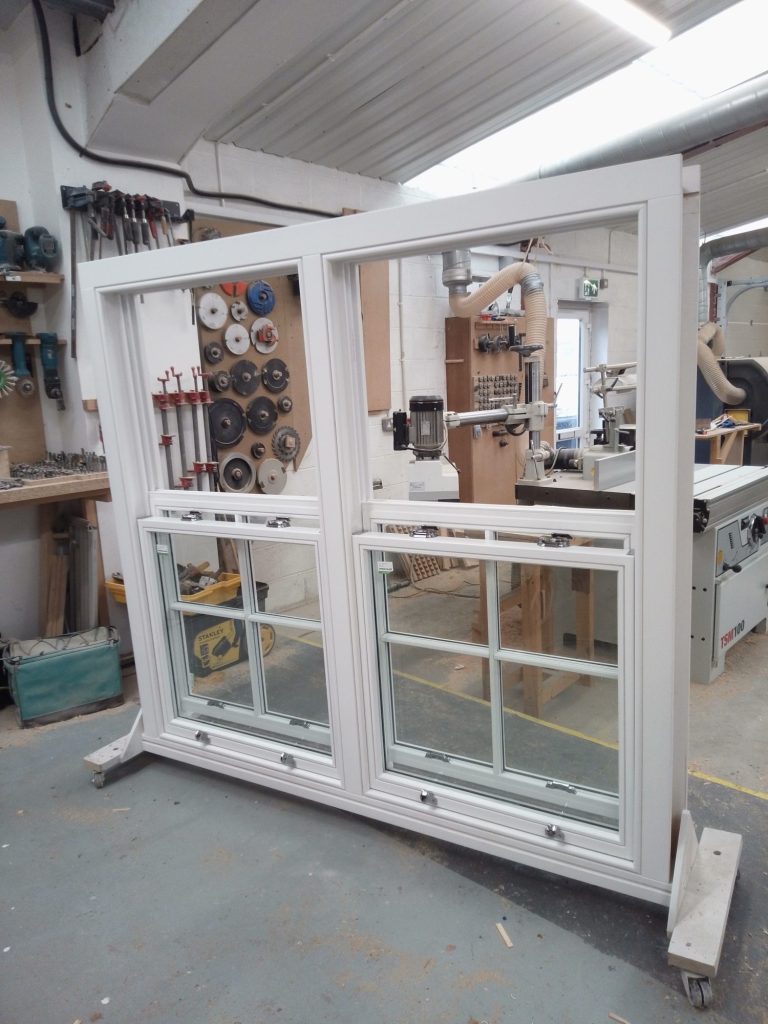
Made-to-measure wooden casement windows with astragal bars, ready to leave the workshop -
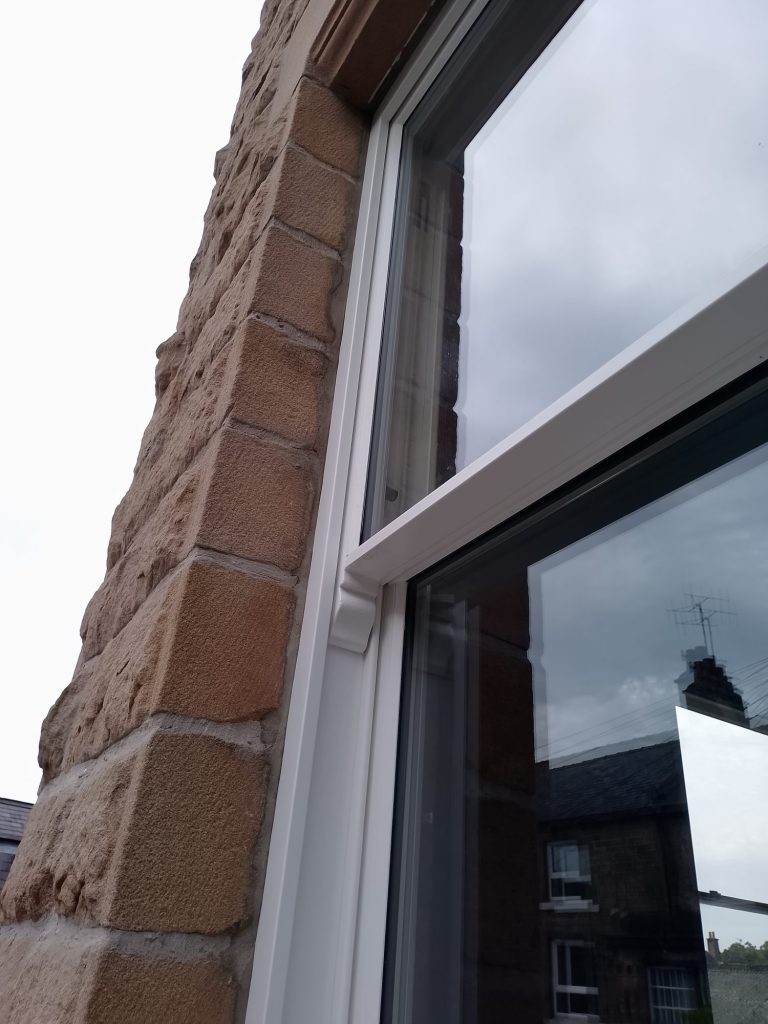
New timber window set into a stone reveal -
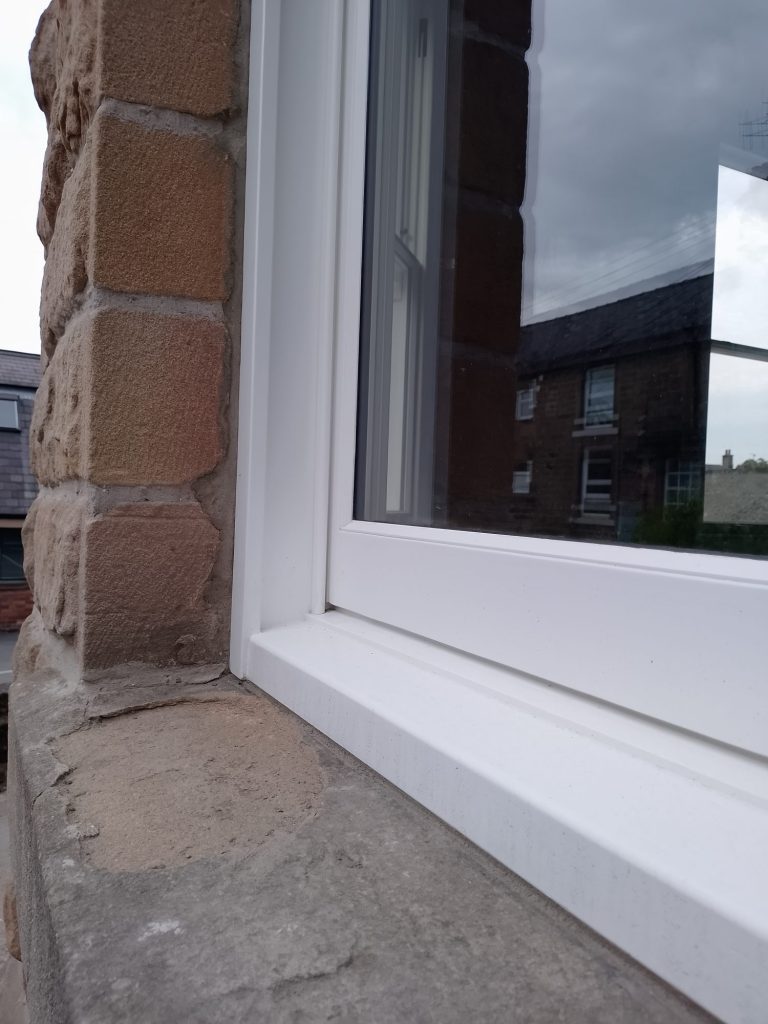
Bay elevation of a stone period property with new timber sash windows
What we make
Nearby
We cover the whole of this part of Nottinghamshire and north Derbyshire. If you are closer to one of these, the same team does the work.
Get a quote
Ring 01623 530838 and tell us what you need, or send over rough sizes and a photo of the opening. We will tell you honestly whether we are the right people for the job.